Single-family and multifamily homes can both work as a primary residence, a multigenerational living setup, or a real estate investment. But the number of legal dwelling units changes everything else: your privacy, your maintenance load, your financing options, your insurance, and the pool of buyers who'll want the place when you sell.
Getting this distinction right matters before you write an offer, not after. This guide compares both property types, explains who tends to be happiest in each, and walks through the due-diligence questions you should answer before you commit.
Key Takeaways
- Single-family homes have one legal dwelling unit and typically offer more privacy and simpler ownership.
- Multifamily homes have two or more legal units and can produce multiple income streams, but demand more hands-on management.
- Owner-occupied duplexes, triplexes, and fourplexes can double as both a residence and an investment.
- Financing, zoning, and legal unit status need to be verified together, not assumed from a listing description.
- The right fit depends on your lifestyle, available capital, and tolerance for landlord responsibilities.
Single-Family vs Multifamily Homes: Quick Comparison
Here's how the two property types stack up side by side:
| Factor | Single-Family | Multifamily |
|---|---|---|
| Legal units | One, regardless of bedroom count | Two or more separate dwelling units |
| Privacy | Exclusive use of home, yard, driveway | Shared walls, entrances, or common areas |
| Income potential | One rental stream if rented out | Multiple rental streams, lower vacancy impact |
| Maintenance | Fewer occupants, but full structure is your job | Coordination across units, tenants, and shared systems |
| Financing & resale | Broader owner-occupant buyer pool | Depends on unit count, occupancy, and zoning |
A few of these deserve more context. Income potential is the one buyers most often misjudge. A fourplex renting all four units might generate real monthly cash flow, but gross rent isn't the same as net income once you subtract taxes, insurance, repairs, and vacancy.
Multiple units can soften the blow of one empty apartment in a way a single-family rental simply can't.
Maintenance and management also scale differently than most buyers expect:
- A single-family home means one roof, one furnace, one yard, but you're the only one responsible for all of it.
- A duplex or triplex means shared systems, multiple leases, and coordinating repairs across tenants who each have their own schedules and expectations.
On financing, occupancy status drives eligibility more than most buyers realize. Fannie Mae's current eligibility matrix lists maximum loan-to-value ratios up to 95% for owner-occupied two- to four-unit purchases, compared with as low as 75% for the same unit count bought as a pure investment property, according to Fannie Mae's eligibility matrix.

That's a meaningful difference in required down payment, so always confirm current terms with your lender before assuming a number.
What Are Single-Family and Multifamily Homes?
Single-Family Homes
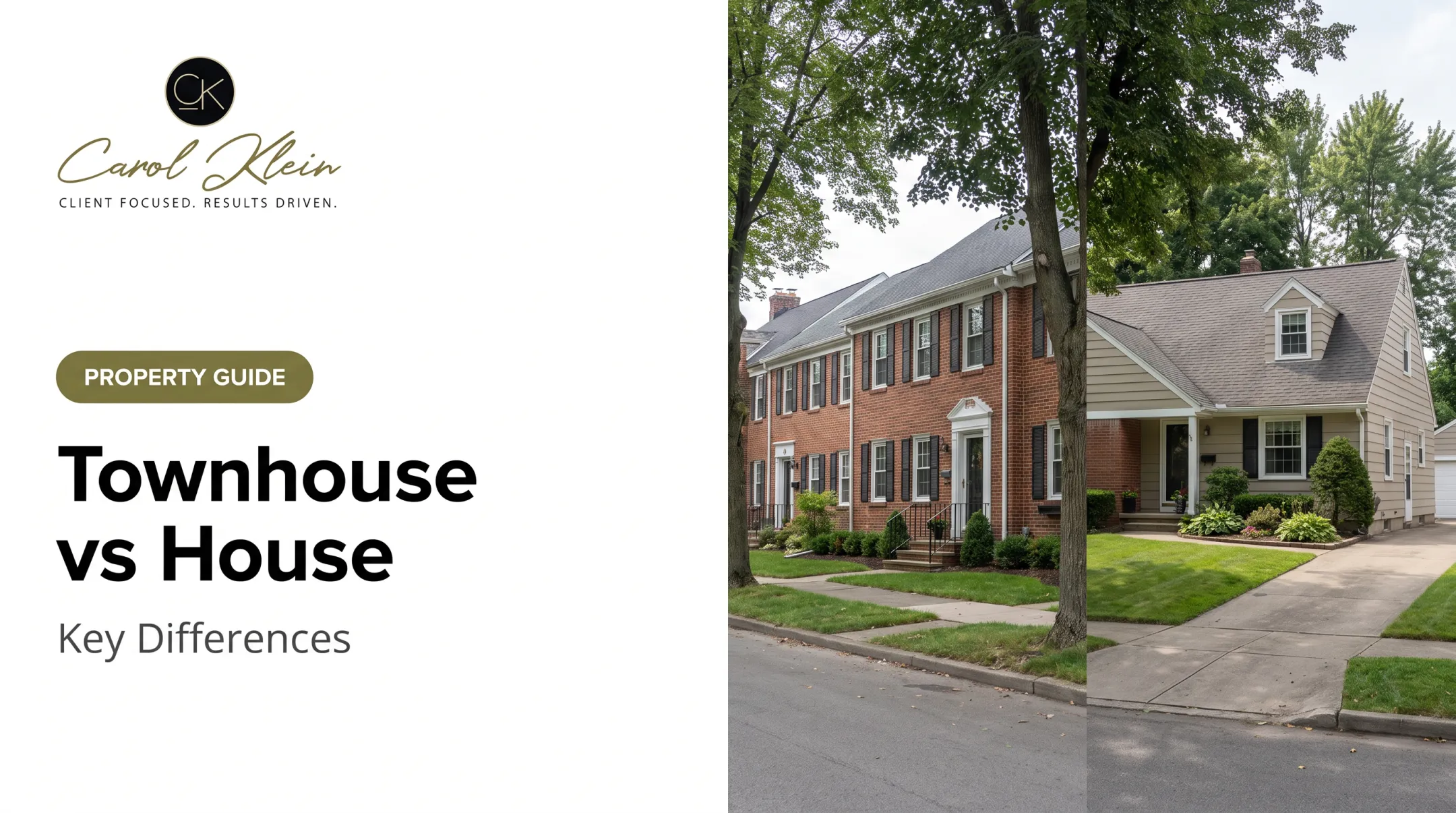
A single-family home is a property with one legal dwelling unit, meaning the structure and the land function as a home for one household. Detached construction is the most common form, but an attached design, such as a townhouse with shared walls, doesn't automatically make a property multifamily. What matters legally is the unit count, not the architecture.
For owner-occupants, the appeal is straightforward:
- Full privacy with no shared walls, entrances, or common areas
- Complete control over renovations, landscaping, and how the property is used
- A clean separation between home life and any landlord responsibilities
The trade-off is that one household absorbs the mortgage, taxes, insurance, repairs, and utilities alone. If you rent it out instead, you're also carrying one income stream, which means a vacancy hits harder than it would in a multi-unit property.
Single-family homes tend to suit first-time buyers, growing families who want stable long-term space, and downsizing owners who still want full control of their property. In Lancaster, NY, for example, a $350,000 budget currently buys a move-in-ready single-family home in roughly the 1,600 to 2,000 square foot range, a useful local benchmark though your own target neighborhood will have its own numbers worth checking.
Multifamily Homes
A multifamily home contains two or more separate legal dwelling units, each generally with its own kitchen, bathroom, and living space. The common categories are:
- Duplex: two units
- Triplex: three units
- Fourplex: four units
- Larger apartment buildings: five-plus units, which often fall under different lending and valuation rules
Here's the catch many buyers miss: a finished basement, an extra kitchen, or a converted attic isn't automatically a legal second unit. Municipalities require permits and a certificate authorizing the change in use before a space counts as an independent dwelling. Buying a property marketed as a "legal two-family" without confirming that status with the local building department is a common and costly mistake.

For owner-occupants and investors, multifamily properties offer real advantages:
- House hacking — living in one unit while tenants cover part or all of the mortgage
- Multiple rent streams that reduce the financial impact of a single vacancy
- Multigenerational living with separate entrances and routines
They also come with more to manage: tenant screening, leases, common-area upkeep, reserve planning, and insurance that reflects multiple occupied units.
Before buying, verify the legal unit count, current rents and leases, recent operating expenses, deferred maintenance, and parking. Loop in an inspector, lender, attorney, or accountant where it makes sense.
Use Cases for Each Property Type
As a primary residence, single-family homes typically suit buyers who want privacy and simplicity above all else. Multifamily homes suit buyers who are comfortable sharing a building with tenants or relatives in exchange for added flexibility or income.
As an investment, single-family rentals are usually easier for a first-time landlord to understand, finance, and eventually resell to another owner-occupant. Multifamily properties can produce more total income but require more active oversight.
A few quick scenarios worth thinking through:
- First-time buyers often default to single-family but should at least price out an owner-occupied duplex before ruling it out.
- Move-up families usually prioritize space and school districts over rental income.
- Multigenerational households may need separate entrances and kitchens, which points toward a legal two-family property.
- Inherited-property owners need to confirm legal unit status and existing leases before deciding whether to sell or rent.
If you're weighing these options across Western New York — whether it's Buffalo, Amherst, Orchard Park, or anywhere nearby — Carol Klein - Century 21 Northeast can walk through a personalized home search or valuation conversation based on your actual goals, not a generic rulebook.
Single-Family vs Multifamily: What Is Better for Your Goals?
There's no universally "better" option here. What matters is your intended use, available capital, desired privacy, tolerance for management, time horizon, and resale plans.
Choose single-family when:
- You want a private primary residence with full control
- You're a first-time buyer who wants a simpler purchase process
- You want the broadest possible pool of future buyers when you sell
- You'd rather avoid day-to-day tenant management entirely
Choose multifamily when:
- House hacking appeals to you and you qualify for owner-occupied financing
- You need multigenerational living with separate, legal spaces
- You want multiple rental streams and can manage the operational demands that come with them
The financial evaluation differs by buyer type, too. Owner-occupants should focus on total monthly housing costs plus reserves for repairs.
Investors need a fuller picture:
- Rent roll and realistic vacancy assumptions
- Operating expenses and net operating income
- Financing costs, taxes, and insurance
- Capital expenditures
One shortcut investors often reach for is the 1% rule: a quick screen asking whether monthly rent equals at least 1% of the purchase price (so a $200,000 property would need roughly $2,000 in monthly rent to pass).
It's useful as a first filter, but White Coat Investor's analysis is clear that it ignores vacancy, repairs, taxes, insurance, and financing costs entirely. Treat it as a starting screen, not a profitability guarantee, and run a full property-specific cash-flow analysis before making an offer.

Before you commit to either property type, work through this checklist:
- Confirm legal unit status and zoning compliance
- Review permits and certificate-of-occupancy history
- Assess property condition and deferred maintenance
- Verify utility arrangements and separate metering (for multifamily)
- Confirm financing eligibility and required down payment
- Plan your management approach and exit strategy
Real-World Scenarios to Consider
Scenario 1: First-time owner-occupant. Picture a buyer comparing a single-family starter home to an owner-occupied duplex. The duplex costs more up front, but rent from the second unit can offset a meaningful chunk of the mortgage.
The right call depends on comfort with being a landlord, qualifying LTV for owner-occupied multi-unit financing, and how much reserve cushion remains after closing.
Scenario 2: Growing or multigenerational household. A single-family home offers shared living space under one roof. A legal two-family or duplex offers separate entrances, kitchens, and routines, often a better fit for adult children or aging parents who want independence.
Either way, confirm legal occupancy limits and accessibility needs before assuming the layout works.
Scenario 3: Investor or inherited-property owner. Here, the decision hinges on existing leases, deferred maintenance, legal unit count, and local rental demand.
An inherited duplex with month-to-month tenants and an aging roof is a very different proposition than a turnkey triplex with signed year-long leases, even if the asking price looks similar on paper.
The common thread: compare the property's verified facts against your actual goals. Don't lean on a blanket rule that one property type always wins.
If you're navigating a decision like this in East Aurora, Buffalo, or anywhere across Western New York, reach out to Carol Klein's team for a market consultation before you make an offer or list your property.
Conclusion
Single-family homes generally win on privacy, control, and simpler ownership. Multifamily homes can offer flexibility and multiple income streams, paired with greater management and compliance responsibility.
Before you decide, verify the legal property classification, understand the full cost of ownership, and confirm financing and zoning requirements with qualified professionals. Choose the option that matches your lifestyle, financial capacity, and long-term plans , not a generic rule of thumb.
A property-specific analysis beats a national average every time. If you want one for your situation, Carol Klein's Western New York team can walk you through the local options.
Frequently Asked Questions
Is multifamily better than single-family?
Neither is universally better. Single-family tends to win on privacy and simpler ownership, while multifamily can suit house hacking, multigenerational living, or multiple rental income streams. The right answer depends on your goals and finances.
What qualifies as a multifamily home?
A property with two or more separate legal dwelling units, each typically having its own kitchen and bathroom. Permits, zoning, and municipal records determine legal classification, not how the listing describes it.
What is the 1% rule in multifamily?
It's a quick screening tool comparing monthly rent to roughly 1% of the purchase price. It doesn't account for vacancy, repairs, taxes, insurance, or financing costs, so treat it as a first filter, not a final answer.
Can I live in one unit of a multifamily home?
Yes, owner occupancy is common in duplexes, triplexes, and fourplexes, provided local zoning and your loan program allow it. Renting out the remaining units while you live in one is often called house hacking.
Is a duplex considered a multifamily home?
Generally yes, since it contains two separate dwelling units. Always verify the property's legal status and permits with local records before assuming that classification applies to a specific address.