Introduction
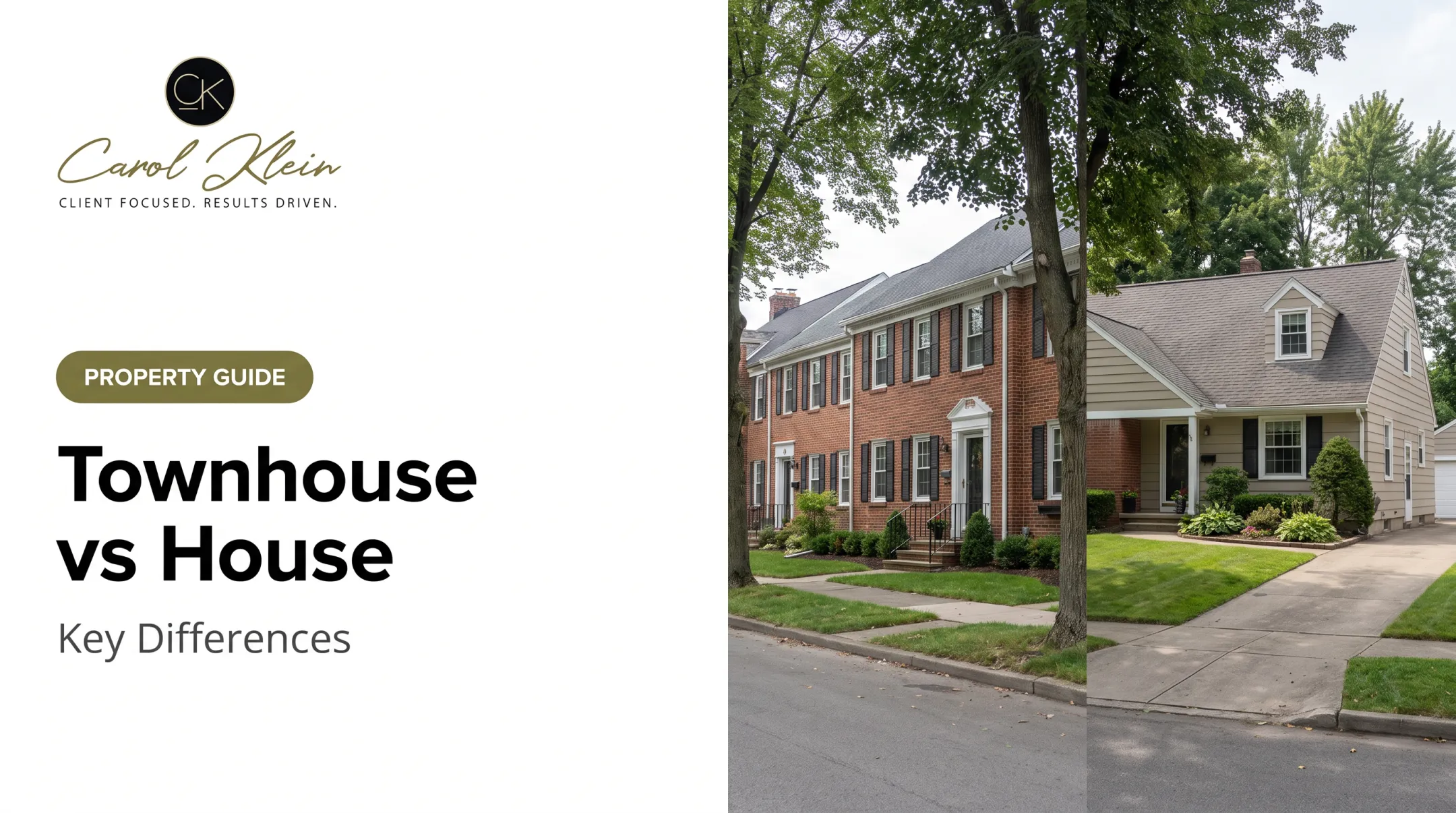
Buying a condo and buying a house both end in homeownership, but the day-to-day reality looks very different. One comes with shared walls and a monthly association bill. The other hands you the yard, the roof, and every repair that goes with it.
The decision matters beyond the price tag on the listing. You're comparing mortgage costs, association dues, maintenance obligations, insurance structures, community rules, available space, and how easily each property will resell when your needs change.
This guide breaks down the pros and cons of each property type, the questions worth asking before you make an offer, and how to match your choice to your budget and lifestyle rather than a generic rule of thumb.
Key Takeaways
- Condos often cost less upfront and cut exterior maintenance, but monthly dues and community rules come standard.
- Houses deliver more privacy, space, and control, along with full responsibility for repairs and upkeep.
- Total monthly and long-term costs matter more than the sale price alone.
- Association fees, reserves, and meeting minutes deserve review before any condo offer.
- Budget, time, household needs, and how long you plan to stay should drive the final decision.
Condo vs. House: Quick Comparison
Nationally, a typical condo listed for $345,216 in September 2025, compared to $365,751 for a typical single-family home, according to Zillow's condo guide. Those are national typical values, not a matched comparison for any specific neighborhood. Treat them as a starting point rather than a prediction for your target area.
| Dimension | Condo | House |
|---|---|---|
| Upfront cost | Often lower in many markets | Often higher, but no association dues |
| Monthly costs | Mortgage + dues + possible assessments | Mortgage + taxes + insurance + utilities |
| Maintenance | Association handles exterior/common areas | Owner handles everything |
| Privacy | Shared walls, limited outdoor space | More separation, private yard |
| Flexibility | Rules may limit rentals, pets, renovations | Broader control, subject to local law |
Maintenance and Repairs
Condo associations typically manage the roof, exterior walls, and common grounds. The declaration decides what counts as a "limited common element." Your balcony or designated parking spot might fall on you, the association, or somewhere in between, according to the Community Associations Institute.
House owners handle it all: lawn care, snow removal, pest control, roof, plumbing, HVAC. No one splits the bill with you.
Privacy, Space, and Control
- Condo: Shared walls, communal hallways, and rules that can restrict pets, parking, noise, or renovations.
- House: A private yard, more square footage in most cases, and far more say over what you build or change.
Location and Lifestyle
Condos tend to suit buyers who want walkability, reduced upkeep, or the ability to lock up and travel. Houses suit growing families, hobbyists, remote workers, and anyone who wants a quieter, less shared setting.
In Lockport, for example, townhouses and condos are built around pools, clubhouses, and shared outdoor space, while single-family homes there lean toward larger yards and room for families to grow.
Resale and Long-Term Flexibility
A condo's resale value hinges partly on the association's financial health. Weak reserves, pending litigation, or high delinquency rates can affect financing eligibility under lender guidelines, according to Fannie Mae's selling guide.
House resale depends more on location, condition, and lot, without that extra layer of building-wide financial exposure. Neither property type guarantees faster appreciation; markets shift, and this year's numbers won't necessarily repeat next year.

What Is a Condo?
A condominium is an individually owned unit inside a larger building or development. You own your unit outright, but you share ownership of common elements like hallways, roofs, and grounds through an association that governs the property.
Advantages of Buying a Condo
- Lower entry costs in many markets, appealing to first-time buyers and downsizers
- Reduced exterior maintenance since the association handles common-area upkeep
- Shared amenities such as pools, fitness areas, or secured parking, which only add value if you'll actually use them
- Lock-and-leave convenience for buyers who travel often or want less to manage
Condo insurance works differently than a standard homeowners policy. The association's master policy typically covers the building and common areas. Your individual policy covers belongings, liability, and interior finishes the master policy does not, according to the Insurance Information Institute.
Confirm exactly where that line falls with an insurance professional before closing.
Disadvantages and Risks
- Monthly association dues that can rise over time
- Special assessments if reserves fall short of major project costs
- Rules governing pets, leasing, renovations, parking, and noise
- Shared walls and less private outdoor space
- Building condition and association management affecting your resale outcome
Insufficient reserve funding is a real risk. The Community Associations Institute's 2025 report notes that underfunded reserves can lead directly to special assessments for major common-element work, sometimes with little warning.
Reviewing the Association Before You Buy
Before making an offer, request and read through:
- Declaration and bylaws - what the association controls versus what you own
- Current budget and reserve study - whether funding matches projected needs
- Recent meeting minutes - any recurring concerns or planned projects
- Pending litigation - especially anything tied to structural or safety issues
- Delinquency levels - how many owners are behind on dues
- Rental, pet, and alteration rules - whether they fit your plans
When a Condo Makes Sense
A condo often fits a first home, a downsizing move, or anyone who wants lower maintenance and amenities they'll actually use. In Lockport, condos and townhouses suit first-time buyers and downsizers who'd rather spend weekends in shared spaces than mowing a lawn.
What Is a House?
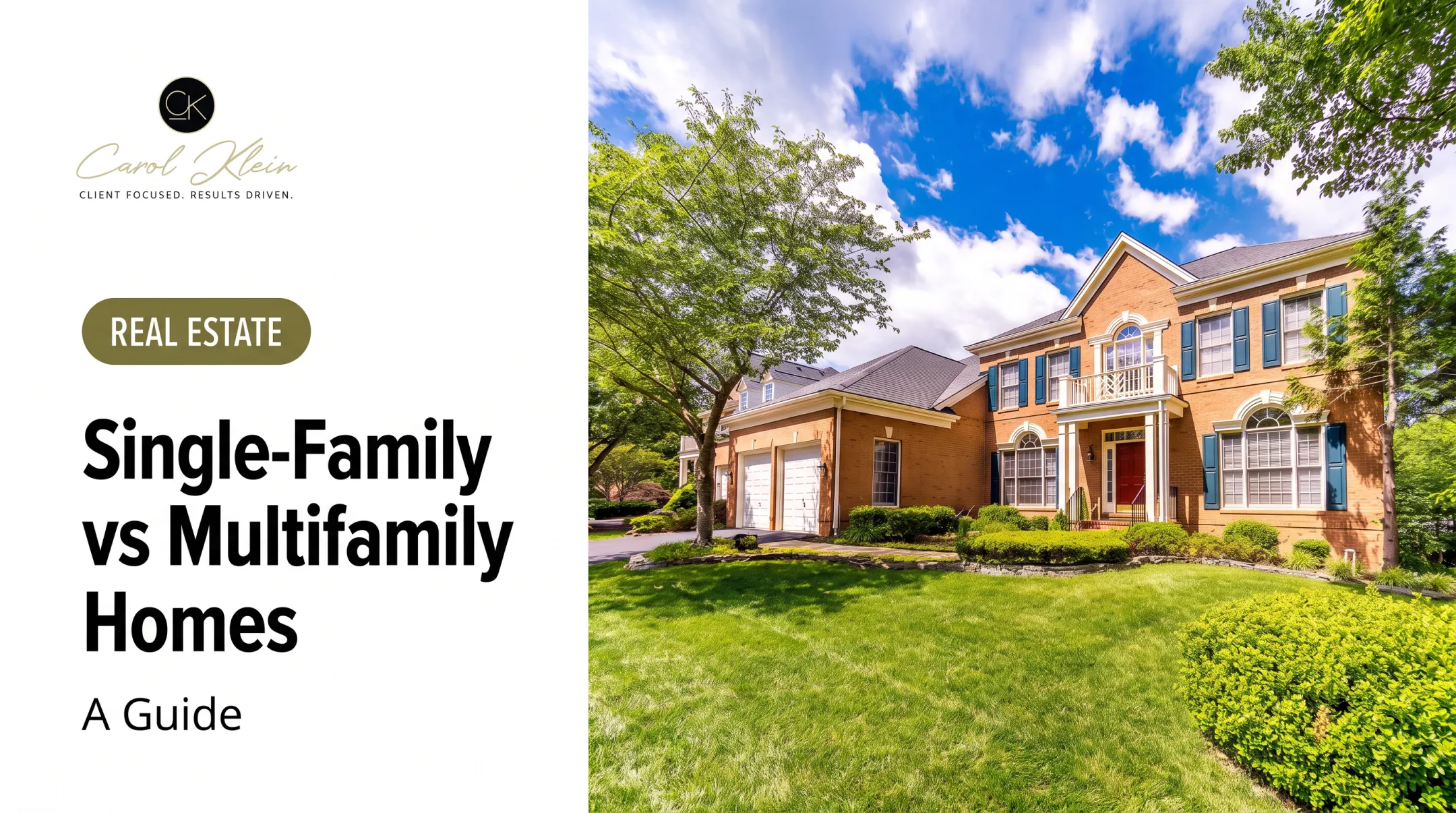
A house, for this comparison, means a detached single-family property where you own both the structure and the land, subject to local laws, easements, and any applicable HOA requirements.
Advantages of Buying a House
- More privacy and separation from neighbors
- Full control over renovations and exterior appearance
- Private outdoor space, storage, and parking
- Room to grow for families, pets, or hobbies
Houses also suit remote workers who need dedicated space and long-term owners planning to stay put for years. Building equity happens over time, but resale flexibility depends on local demand, condition, and timing, not a guaranteed appreciation curve.
Disadvantages and Responsibilities
Owning a house means owning every repair. Recurring responsibilities include:
- Lawn care and snow removal
- Pest control
- Roof and exterior upkeep
- Appliance, plumbing, and HVAC maintenance
- Emergency repairs
These costs add up. Bankrate's 2025 maintenance model suggests budgeting up to 4% of home value annually for upkeep and repairs combined. On a typical single-family home, that translates to an estimated $8,808 a year, according to Bankrate's maintenance report.

That figure is a planning benchmark, not a bill you're guaranteed to receive, but it's a useful reserve target.
Don't treat your mortgage payment as the full cost of ownership. Set aside a separate maintenance fund for the irregular, high-cost repairs that eventually show up, such as a furnace replacement or a new roof.
When a House Fits Best
A house fits well for growing households, buyers who want a yard, owners planning major customization, or anyone who needs flexibility for the long haul. Lockport's single-family inventory, for instance, is often described as well-suited to families needing room to grow, with larger yards and multiple bedrooms as the norm.
Condo vs. House: What Is Better?
Neither option wins across the board. The right call depends on your finances, lifestyle, responsibilities, and how long you plan to stay.
- Choose a condo if you prioritize lower-maintenance living, amenities, a potentially lower entry price, or the freedom to travel without worrying about the exterior.
- Choose a house if you prioritize privacy, outdoor space, room to grow, renovation control, or independence from association decisions.
Calculate Your Realistic Ownership Budget
A lower condo price doesn't automatically mean lower total cost. Estimate the full monthly picture for each option:
- Principal and interest
- Property taxes
- Insurance
- Association dues (condo only)
- Utilities
- Routine maintenance
- A reserve for unexpected repairs or assessments
A mortgage calculator helps you model principal, interest, taxes, insurance, and HOA fees side by side. Comparing a $300,000 condo against a $330,000 house becomes far more concrete than looking at sticker prices alone.
Before You Decide: A Quick Checklist
Ask yourself:
- How long do I expect to stay in this home?
- Might I rent it out later?
- How much privacy do I actually need?
- Can I realistically manage yard work and repairs?
- What rules or shared costs would be dealbreakers?
Compare specific listings in your target area rather than relying on broad assumptions. Orchard Park, for example, has a median home price around $340,000, with properties ranging from roughly $139,900 to $1,950,000.

That spread is wide enough that condo vs. house pricing assumptions don't hold up without looking at actual listings.
Real Examples From the Field
One of our sellers, Tom M., sold his previous home for $30,000 over asking and used that equity to make a stronger offer on a new single-family home. Your current property's sale price directly shapes your next move.
Other clients have come to us as first-time buyers weighing a low-maintenance condo against a starter house with a yard. The right answer changed with their budget and timeline each time.
If you're buying in Western New York, Carol Klein - Century 21 Northeast can walk you through actual listings, association documents, and ownership budgets for condos and houses across East Aurora, Orchard Park, Buffalo, Amherst, Lancaster, and the surrounding communities.
Conclusion
A condo suits buyers who value convenience, shared amenities, and less exterior maintenance. A house suits buyers who want privacy, space, and control, along with the responsibility that comes with it.
Skip the blanket rule. Compare the full cost and responsibilities of specific properties, read every association document closely, and choose the home that fits your needs now and your plans for the years ahead.
Frequently Asked Questions
How much money do I need to buy a $300,000 condo?
Closing costs typically run 2% to 5% of the purchase price, or $6,000 to $15,000 on a $300,000 condo, separate from your down payment, according to the CFPB's homebuying guide. Add a 10% down payment ($30,000) and you'd need roughly $36,000 to $45,000 in cash; at 20% down ($60,000), expect $66,000 to $75,000.
Is it better to buy a condo or a house?
A condo suits lower-maintenance living and amenities; a house suits privacy, space, and control. Total cost and your personal priorities, not a universal rule, determine the right answer.
Why buy a condo instead of a house?
Condos often mean lower upfront costs, less exterior upkeep, and shared amenities in convenient locations. They tend to suit first-time buyers, downsizers, and busy households willing to accept association dues and rules in exchange.
Is buying a condo a good investment?
It depends on price, location, condition, association health, fees, rental rules, and how long you hold it. Condo values can move differently than single-family homes year to year, so talk with a financial or tax professional before treating a condo purchase as a guaranteed investment.