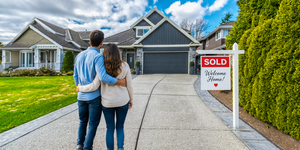
When buying new home construction homes, start by narrowing your search criteria to location, budget, builder reputation, and timeline. Review the builder’s website, check Google reviews, compare quality standards, and confirm what is included in the construction contract before you claim a lot or sign paperwork. Construction homes can offer modern design, energy efficiency, and lower maintenance for homeowners—but only if the builder meets your needs, communicates clearly, and delivers on time. Taking the time to evaluate the site, building process, and long-term care requirements will help you make a confident decision.
For more details, keep reading.
New construction homes attract buyers who want a fresh start, updated layouts, and modern finishes. Unlike resale properties, a new home is built specifically for today’s lifestyle standards, often including open floor plans, energy-efficient systems, and smart home technology.
What Makes Construction Homes Different
Construction homes are typically built by a professional builder who manages:
Land acquisition
Site preparation
Construction timeline
Subcontractor coordination
Final inspections
When you purchase a new home in a development, you’re often working directly with the builder’s sales team rather than a traditional homeowner. This changes the process slightly, especially in how contracts, upgrades, and timelines are handled.
Why Buyers Love New Homes
Many homeowners choose construction homes because they:
Require less immediate maintenance
Offer warranties
Provide customization options
Meet modern energy codes
Align with evolving lifestyle preferences
A new home can be appealing for families who want a clean slate and predictable upkeep costs. Instead of inheriting someone else’s repairs, you begin as the first owner.
Wisconsin and Regional Market Trends
In markets like Wisconsin, new construction has expanded significantly in suburban and growing areas. Buyers working with local builders often look for:
Family-friendly neighborhoods
Commute convenience
Lot size flexibility
Quality craftsmanship
Regional building trends influence price, inventory, and available site options, so staying informed is critical when evaluating construction homes.
If you're planning to move to Wisconsin, or if you’re already a local resident, understanding construction homes is just one part of your life in Wisconsin. For more helpful tips on buying or selling a new home, be sure to check out our latest real estate insights at Carol Klein WNY Homes, where we cover local housing trends, property guidance, and what homeowners should expect in today’s market.
How to Set the Right Search Criteria for New Home Construction
Before visiting a model home or browsing a builder’s website, define your search criteria clearly.
Location and Site Selection
The site is one of the most important elements of any new home purchase. Consider:
School districts
Proximity to work
Community amenities
Lot orientation
Future neighborhood development
Even the best builder cannot change a location that doesn’t meet your needs.
Budget and Upgrade Planning
New construction pricing can be structured in layers:
Base price
Lot premium
Structural upgrades
Design upgrades
Landscaping and exterior finishes
Buyers should review line items carefully and understand what is included in the base construction price.
Taking time to check upgrade packages prevents surprises later in the building process.
Timeline Expectations
Construction homes require patience. Depending on the stage of building, you may wait:
Several months for foundation and framing
Additional time for finishes
Extra weeks if supply delays occur
Understanding the construction timeline helps you plan for working, moving, and coordinating your current housing situation.
Evaluating the Builder: Quality, Reputation, and Business Practices
Not all builders operate the same way. Choosing the right builder is as important as choosing the right home design.
Researching the Builder
Start with:
Reviewing the builder’s website
Reading Google reviews
Asking past customers about their experience
Checking the builder’s business history
Look beyond marketing materials and focus on consistent feedback about quality and communication.
Questions to Ask Before You Decide
When meeting with the builder or sales team, ask:
What warranties are included?
How do you handle change orders?
What happens if construction is delayed?
Who is my main point of contact during building?
Understanding the builder’s process will help you feel more confident in your decision.
Quality Standards and Materials
Inspect model homes carefully. Pay attention to:
Cabinet construction
Flooring durability
Window quality
Roofing materials
HVAC systems
A builder who prioritizes quality construction often maintains strong relationships with subcontractors and suppliers.
Communication and Customer Care
Strong customer care can make or break the building experience. Buyers should feel that the team:
Responds promptly to email and phone inquiries
Provides regular updates
Addresses concerns transparently
Values homeowners even after closing
This ongoing care is especially important once you move in and begin settling into your new home.
The Building Process: From Claiming a Lot to Move-In Day
Once you decide on a construction home, the building process begins.
Claiming Your Lot and Signing the Contract
After selecting a site and floor plan, you’ll:
Claim the lot
Review the purchase agreement
Confirm upgrade selections
Submit deposits
Carefully review every line in the contract. Make sure the scope of construction matches what was discussed.
Design Selections and Customization
Most builders allow buyers to create a personalized look through:
Flooring choices
Countertops
Cabinet finishes
Exterior colors
Lighting packages
This phase can be exciting but requires disciplined budgeting. It’s easy to fall in love with upgrades that stretch your financial comfort zone.
Construction Milestones
During construction, the home typically progresses through:
Site preparation
Foundation
Framing
Mechanical systems
Insulation and drywall
Interior finishes
Final walkthrough
Buyers should schedule walkthroughs at key stages to review progress and ensure the home meets expectations.
Final Review and Closing
Before closing, you’ll conduct a final review with the builder to identify any necessary adjustments. This is your opportunity to:
Check workmanship
Confirm appliances are functioning
Review warranties
Document unfinished items
Taking time to thoroughly inspect protects you as the future owner.
When done correctly, construction homes offer homeowners peace of mind and the excitement of moving into a space that truly meets their lifestyle and long-term needs.
When buying new home construction homes, start by narrowing your search criteria to location, budget, builder reputation, and timeline. Review the builder’s website, check Google reviews, compare quality standards, and confirm what is included in the construction contract before you claim a lot or sign paperwork. Construction homes can offer modern design, energy efficiency, and lower maintenance for homeowners—but only if the builder meets your needs, communicates clearly, and delivers on time. Taking the time to evaluate the site, building process, and long-term care requirements will help you make a confident decision.
For more details, keep reading.
New construction homes attract buyers who want a fresh start, updated layouts, and modern finishes. Unlike resale properties, a new home is built specifically for today’s lifestyle standards, often including open floor plans, energy-efficient systems, and smart home technology.
What Makes Construction Homes Different
Construction homes are typically built by a professional builder who manages:
Land acquisition
Site preparation
Construction timeline
Subcontractor coordination
Final inspections
When you purchase a new home in a development, you’re often working directly with the builder’s sales team rather than a traditional homeowner. This changes the process slightly, especially in how contracts, upgrades, and timelines are handled.
Why Buyers Love New Homes
Many homeowners choose construction homes because they:
Require less immediate maintenance
Offer warranties
Provide customization options
Meet modern energy codes
Align with evolving lifestyle preferences
A new home can be appealing for families who want a clean slate and predictable upkeep costs. Instead of inheriting someone else’s repairs, you begin as the first owner.
Wisconsin and Regional Market Trends
In markets like Wisconsin, new construction has expanded significantly in suburban and growing areas. Buyers working with local builders often look for:
Family-friendly neighborhoods
Commute convenience
Lot size flexibility
Quality craftsmanship
Regional building trends influence price, inventory, and available site options, so staying informed is critical when evaluating construction homes.
If you're planning to move to Wisconsin, or if you’re already a local resident, understanding construction homes is just one part of your life in Wisconsin. For more helpful tips on buying or selling a new home, be sure to check out our latest real estate insights at Carol Klein WNY Homes, where we cover local housing trends, property guidance, and what homeowners should expect in today’s market.
How to Set the Right Search Criteria for New Home Construction
Before visiting a model home or browsing a builder’s website, define your search criteria clearly.
Location and Site Selection
The site is one of the most important elements of any new home purchase. Consider:
School districts
Proximity to work
Community amenities
Lot orientation
Future neighborhood development
Even the best builder cannot change a location that doesn’t meet your needs.
Budget and Upgrade Planning
New construction pricing can be structured in layers:
Base price
Lot premium
Structural upgrades
Design upgrades
Landscaping and exterior finishes
Buyers should review line items carefully and understand what is included in the base construction price.
Taking time to check upgrade packages prevents surprises later in the building process.
Timeline Expectations
Construction homes require patience. Depending on the stage of building, you may wait:
Several months for foundation and framing
Additional time for finishes
Extra weeks if supply delays occur
Understanding the construction timeline helps you plan for working, moving, and coordinating your current housing situation.
Evaluating the Builder: Quality, Reputation, and Business Practices
Not all builders operate the same way. Choosing the right builder is as important as choosing the right home design.
Researching the Builder
Start with:
Reviewing the builder’s website
Reading Google reviews
Asking past customers about their experience
Checking the builder’s business history
Look beyond marketing materials and focus on consistent feedback about quality and communication.
Questions to Ask Before You Decide
When meeting with the builder or sales team, ask:
What warranties are included?
How do you handle change orders?
What happens if construction is delayed?
Who is my main point of contact during building?
Understanding the builder’s process will help you feel more confident in your decision.
Quality Standards and Materials
Inspect model homes carefully. Pay attention to:
Cabinet construction
Flooring durability
Window quality
Roofing materials
HVAC systems
A builder who prioritizes quality construction often maintains strong relationships with subcontractors and suppliers.
Communication and Customer Care
Strong customer care can make or break the building experience. Buyers should feel that the team:
Responds promptly to email and phone inquiries
Provides regular updates
Addresses concerns transparently
Values homeowners even after closing
This ongoing care is especially important once you move in and begin settling into your new home.
The Building Process: From Claiming a Lot to Move-In Day
Once you decide on a construction home, the building process begins.
Claiming Your Lot and Signing the Contract
After selecting a site and floor plan, you’ll:
Claim the lot
Review the purchase agreement
Confirm upgrade selections
Submit deposits
Carefully review every line in the contract. Make sure the scope of construction matches what was discussed.
Design Selections and Customization
Most builders allow buyers to create a personalized look through:
Flooring choices
Countertops
Cabinet finishes
Exterior colors
Lighting packages
This phase can be exciting but requires disciplined budgeting. It’s easy to fall in love with upgrades that stretch your financial comfort zone.
Construction Milestones
During construction, the home typically progresses through:
Site preparation
Foundation
Framing
Mechanical systems
Insulation and drywall
Interior finishes
Final walkthrough
Buyers should schedule walkthroughs at key stages to review progress and ensure the home meets expectations.
Final Review and Closing
Before closing, you’ll conduct a final review with the builder to identify any necessary adjustments. This is your opportunity to:
Check workmanship
Confirm appliances are functioning
Review warranties
Document unfinished items
Taking time to thoroughly inspect protects you as the future owner.
When done correctly, construction homes offer homeowners peace of mind and the excitement of moving into a space that truly meets their lifestyle and long-term needs.