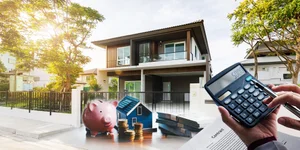
Modernization of real estate is the shift from outdated, manual, disconnected ways of buying, selling, building, and managing property to more efficient workflows powered by technology, integrated systems, and better data. In practice, modernization means companies and professionals use tools that improve access to information, reduce time and costs, increase visibility into performance, and enhance the end user experience—whether the user is a homeowner, tenant, investor, builder, or property manager. It can show up as digital transaction processes, smarter property management, building tech upgrades (like heating controls), construction coordination, and financial reporting that supports faster, more confident decision-making across the industry.
For more details, keep reading.
What Is Modernization of Real Estate? (A Practical Definition, Not Buzzwords)
When people ask what is modernization of real estate, they usually aren’t asking for a trendy definition. They want to know what’s actually changing in the industry and why it matters.
At its core, modernization in real estate means improving the way work gets done by upgrading:
process (how tasks flow from start to end)
technology (the tools people use)
data (the information people rely on)
systems (the platforms that store and share that information)
Modernizing doesn’t always mean “newest software.” It means moving away from manual steps, duplicate entry, paper-heavy routines, and siloed communication. It’s about efficiency and better outcomes.
Modernization happens in two places at once
In real estate, modernization typically happens on two tracks:
Business modernization: how real estate companies operate (marketing, leasing, transactions, reporting, compliance, customer service).
Property modernization: upgrades to the building itself—comfort, energy use, operations, and tenant experience.
A “modern” real estate company might still manage an older building, and a modern building might still be run by an outdated process. True modernization is when both improve together.
Why modernization has become critical today
The market has changed. Consumers expect speed and clarity. Investors expect visibility and performance. Regulators and lenders often require more documentation. And operational costs—labor, insurance, maintenance—keep rising.
Modernization is one way to:
meet current customer needs
reduce wasted time
improve productivity
protect asset value in a competitive market
Why Real Estate Needs Modernizing: Time, Costs, Energy, and User Expectations
Real estate is a high-stakes business with a lot of moving parts. Many parts of the workflow were built years ago around paper files, phone calls, and spreadsheets. Some of that still works—but it often creates friction.
Time and coordination problems
Real estate work involves many parties: agents, lenders, title companies, inspectors, appraisers, contractors, property managers, and owners. Without modern tools and workflows, coordination becomes:
slow (waiting for someone to reply)
error-prone (missing or outdated information)
hard to track (no single source of truth)
Modernization improves the “handoff” between steps, which is where most delays come from.
Costs and operational inefficiency
Outdated operations tend to create hidden costs:
repeat work (entering the same information into multiple systems)
staff time spent chasing updates
mistakes that trigger rework (incorrect documents, missed deadlines)
poor visibility into where money is being spent
Modern systems can reduce these costs by simplifying workflows and enabling better tracking from first contact to closing, lease signing, or project completion.
Energy and building performance pressures
Modernization isn’t only digital. It includes physical upgrades and smarter operations in a building or home, especially around:
heating and HVAC efficiency
smart thermostats and controls
monitoring and preventive maintenance
sustainability reporting (in many commercial contexts)
Energy efficiency improvements can increase value by lowering operating costs and improving tenant comfort—two drivers that matter across both residential and commercial property.
End user experience is now a competitive factor
The end user might be:
a buyer trying to understand a home
a tenant paying rent or requesting maintenance
an owner reviewing financial performance
an investor comparing opportunities
Modernization helps provide faster access, clearer information, and more consistent service—which can directly impact reviews, renewals, occupancy, and referrals.
If you’re planning to move to Western New York, or if you’re already a local resident, understanding modernization in real estate is just one part of your life in Western New York. For more helpful tips on real estate trends and practical local guidance, be sure to check out our latest blog on Carol Klein WNY Homes, where we cover the market and what today’s changes mean for homeowners and buyers.
The Role of Data in Real Estate Modernization (Visibility, Decisions, and Value)
If you had to pick one engine behind modernization, it’s data—not because data is trendy, but because it drives better decisions and reduces uncertainty.
What “data” means in real estate (in the real world)
Real estate data includes:
pricing and comparable sales (market data)
leasing and occupancy data
building operating costs and maintenance history
tenant behavior (requests, renewals, payment patterns)
construction schedules, budgets, change orders
financial reporting for owners and investors
Modernization is often about improving access to this information and making sure it’s accurate, current, and easy to use.
Why visibility is so important
Visibility means you can see what’s happening without chasing ten people. For example:
A property manager can see open work orders and recurring issues.
An owner can see where costs increased month over month.
A leasing team can see which leads are likely to convert.
A builder can see schedule risk before it becomes a delay.
That visibility makes the business more efficient and reduces surprises that hurt trust.
Better data supports better decision-making (and protects value)
When information is scattered, decisions become based on gut feel or partial context. When data is integrated and timely, decisions can be:
faster (less waiting)
more confident (less guessing)
more defensible (important for investors and compliance)
Over the long term, this can protect and even increase property value because you’re operating with better control.
Technology and Systems: What Modern Real Estate Tools Actually Do (Integration + Workflows)
Modernization becomes real when the tools and systems improve everyday work—especially the parts that used to be manual.
What “systems” usually means in real estate
A “system” could refer to:
CRM and lead management tools
transaction management platforms
document storage and e-sign workflows
property management software
building management systems (BMS) for commercial assets
accounting and financial reporting platforms
Many companies have some of these already, but modernization is often about integration—getting systems to share information so teams don’t re-enter the same data repeatedly.
How modern workflows reduce manual work
The biggest impact usually comes from workflow improvements, like:
automated reminders for deadlines and required steps
standardized templates and checklists
digital document routing and approvals
centralized communication logs
dashboards that show where a transaction or project stands
These upgrades reduce “where are we on this?” confusion and help teams work faster with fewer errors.
Examples of modernization in action (simple and significant)
Here are a few grounded examples:
A buyer can complete disclosures and signatures digitally instead of printing, scanning, and emailing.
A property manager can use a portal to collect requests, schedule vendors, and track recurring maintenance.
An owner can review monthly financials through a dashboard rather than waiting for a manual report.
A construction team can coordinate budgets, schedules, and photos in one tool, improving accountability.
None of this is flashy. It’s just better operations—done consistently