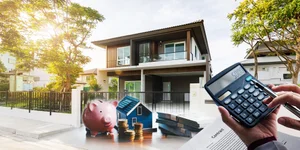
In many places, real estate tax is the same thing as property taxes on a home—both usually refer to a local tax that local governments charge each year based on the assessed value of real property (your land and the structures permanently attached to it). The confusion comes from terminology: “real estate tax” and “property tax” are often used interchangeably, but “property tax” can also be broader and may include personal property tax in some states—tax on movable items like vehicles, boats, or certain business equipment. And estate tax is different entirely: it’s a tax on a deceased person’s estate, not the annual tax you pay as a homeowner.
For more details, keep reading.
Is Real Estate Tax Same as Property Tax? (The Practical Answer Most Homeowners Need)
If you’re asking is real estate tax same as property tax, you’re not alone—these terms get mixed constantly in real estate listings, closing statements, and county websites.
For most homeowners, the practical answer is:
Yes, “real estate tax” generally refers to the annual tax on real property (land + permanently attached improvements), which is the most common meaning of “property taxes” for a home.
But “property taxes” can sometimes be used as a catch-all phrase that includes more than one type of property-related tax, including personal property tax, depending on your state and local rules.
So if your city or county sends a bill for your house and land, it’s very likely your real estate tax bill—whether the bill says “real estate tax” or “property tax.”
Why the same tax can have different names
Different local governments (county, city, town, school district) may label the same charge differently:
“Real estate tax”
“Real property tax”
“Property tax”
“Local tax” (on property)
That’s why you’ll see “real estate tax” and “property taxes” used interchangeably even when they point to the same thing.
What Real Property Means (Real Property vs Real Estate in Tax Language)
To understand these taxes, you need one core definition: real property.
Real property typically refers to:
the land, and
the permanent structures on it (a house, garage, additions, and other improvements that are attached and not meant to be moved)
This is why your home’s tax bill is generally tied to:
the assessed value of the land, and
the assessed value of the building(s)
In everyday conversation, people often say “real estate” to mean the same thing. In a tax context, “real property” is the more precise term that shows up in many statutes and assessor documents.
“Permanently” attached is the key idea
A quick rule of thumb is permanence:
If it’s built into the property and intended to stay, it’s usually part of real property.
If it can be moved without fundamentally changing the property, it’s more likely to be treated as personal property (though there are exceptions).
This “permanently attached” concept is one reason homeowners sometimes get confused when they see separate taxes for items that feel “property-like,” such as a vehicle or a boat.
How Property Taxes (Real Estate Tax) Are Calculated: Assessed Value × Tax Rates
Even though each state and locality has its own methods, most property taxes follow a recognizable structure:
The assessor determines an assessed value for the property (land + improvements).
Your local governments apply tax rates to that value to determine the amount you pay.
The revenue funds local services (schools, roads, fire protection, libraries, and more).
What “tax rates” usually mean
Tax rates can be expressed in different ways, but they generally represent the portion of value that is levied as tax. Your effective tax rate might be influenced by:
county rate
city/town rate
school district rate
special districts (water, sewer, lighting, etc.)
The result is the total annual real estate tax you owe.
Why the amount can change year to year
Your tax bill may change even if you didn’t buy or sell, because:
assessed value changed (reassessment, renovations, market updates)
the local budget changed
rates changed (up or down)
new levies or district charges were added
So two neighbors with similar houses can still have different bills due to differences in assessed values, exemptions, or timing of assessments.
If you’re planning to move to Western New York, or if you’re already a local resident, understanding property taxes is just one part of your life in Western New York. For more helpful tips on real estate, be sure to check out our latest blog on Carol Klein WNY Homes, where we cover local homeownership topics and what to expect when buying or selling.
Personal Property Tax vs Real Estate Tax: What Personal Property Means (Vehicles, Boats, Equipment)
Here’s where the “property tax” label gets tricky. In some locations, personal property is also taxed—often under a separate personal property tax system.
Personal property typically includes items that are movable rather than permanently attached to land.
Common examples of personal property that may be taxed
Depending on your state and locality, examples can include:
vehicles (in certain jurisdictions)
boats
trailers or certain recreational assets
business assets like machinery and equipment
This is why someone might say, “My property taxes include my car,” while another person means only their house bill. Both are talking about a “property” tax, but not the same category of property.
Why this differs so much by state
Whether personal property is taxed, and how it’s taxed, is very state-dependent. Some states rely heavily on real property tax revenue. Others have more robust personal property systems (especially for businesses).
If you’re trying to figure out what applies to you, the fastest approach is to check your local assessor/treasurer site for:
“real property” tax info, and
“personal property tax” info (if applicable)